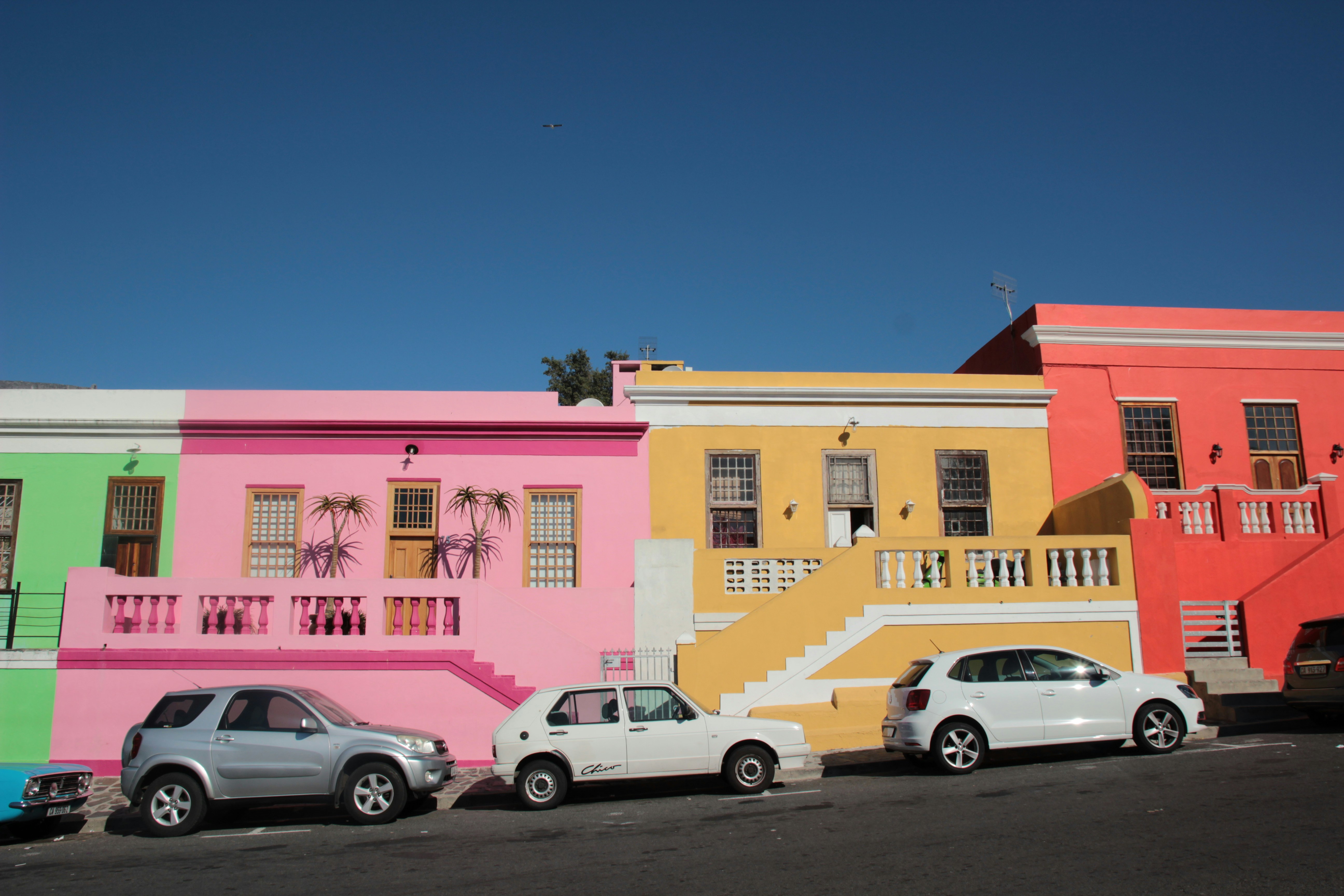
WEST AFRICA
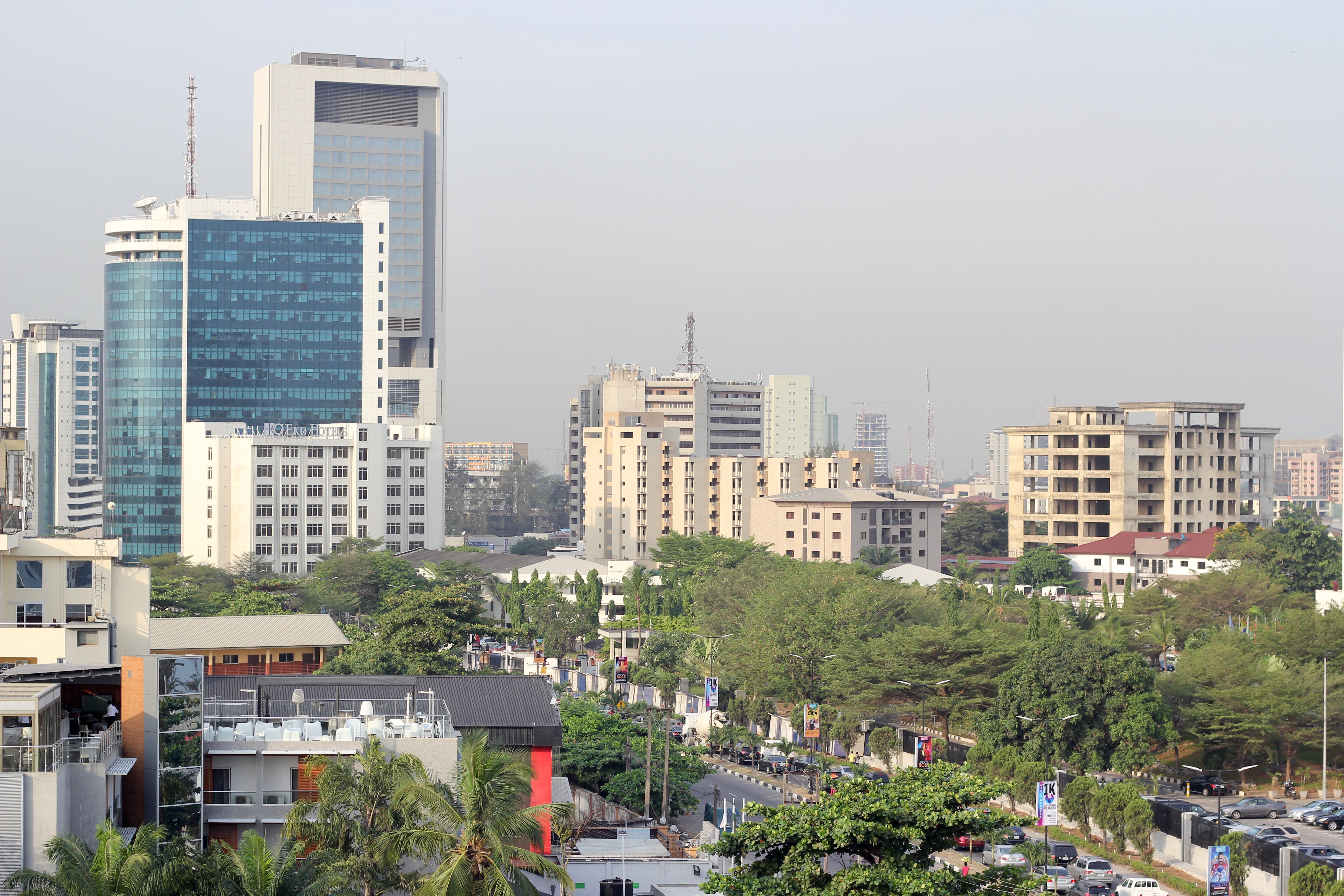
Lagos, Nigeria
This region remains particularly fresh on screen, offering originality and authenticity that is increasingly hard to find elsewhere. Think the heartbeat of Africa, bustling Lagos, Nollywood aesthetics, Afrobeats, vibrant Francophone seaside cities, overflowing markets, rituals and relics, deep cultural practices, dense forests, lush green landscapes, coco plantations, life on the River Gambia, stunning tropical beaches, the colourful pirogues of Senegal’s fishing villages, forts and faded colonial-era architecture.
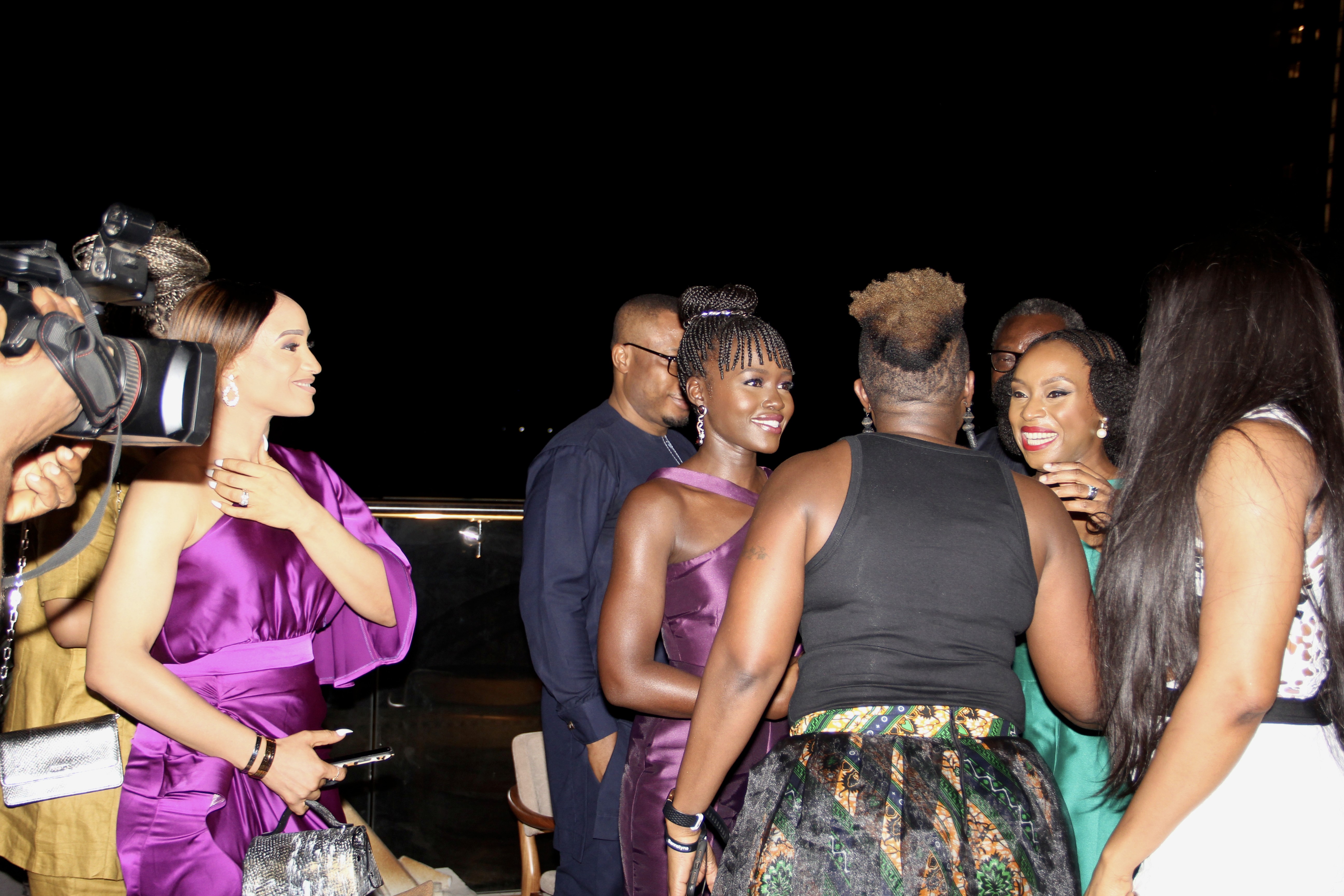
FILM FIXING IN WEST AFRICA - AT A GLANCE
Nigeria
Nollywood, Africa’s largest film industry
Afrobeats, Africa’s leading music genre, celebrity culture
Lagos: megacity energy, high fashion, wealth contrasts
Rainforest, coast, savannah
Home to over 300 cultures
Can be logistically challenging. Traffic is often debilitating
Best time to film: Dry Harmattan Season, Nov - March
Film Permits acquired through Ministry of Culture
Drone and operator must be sourced locally. Complex permits
Strong security back-up needed. Fixer guidance essential
H&S-Medic, best to bring in personnel
Strong crew base, equipment & storytelling culture
Best for: contemporary Africa, scale, bold energy, images of wealth, modern urban narratives
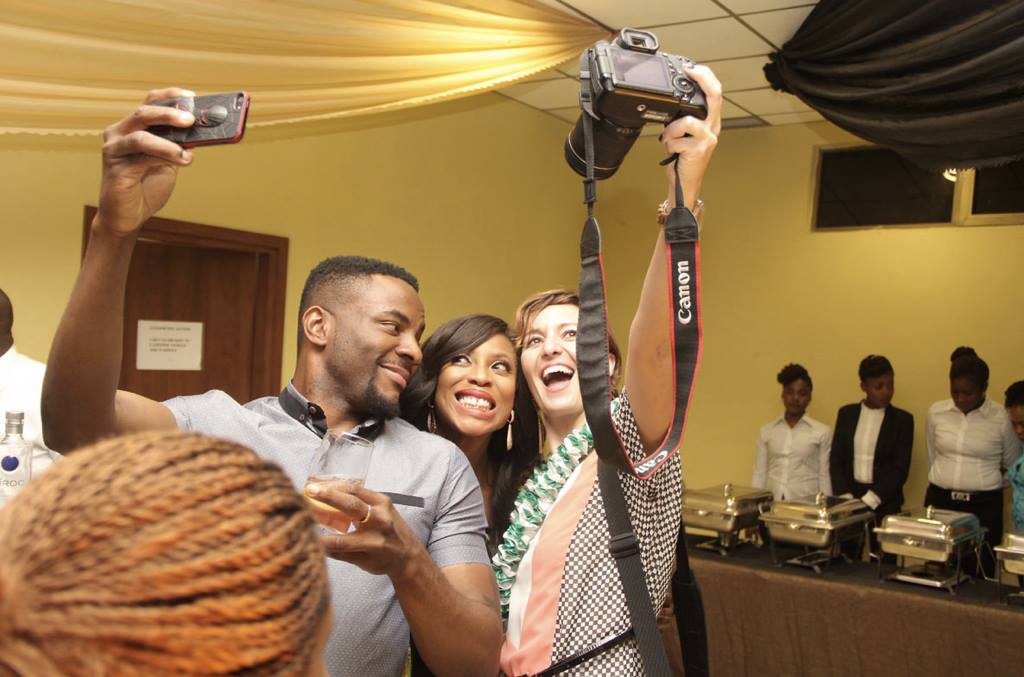
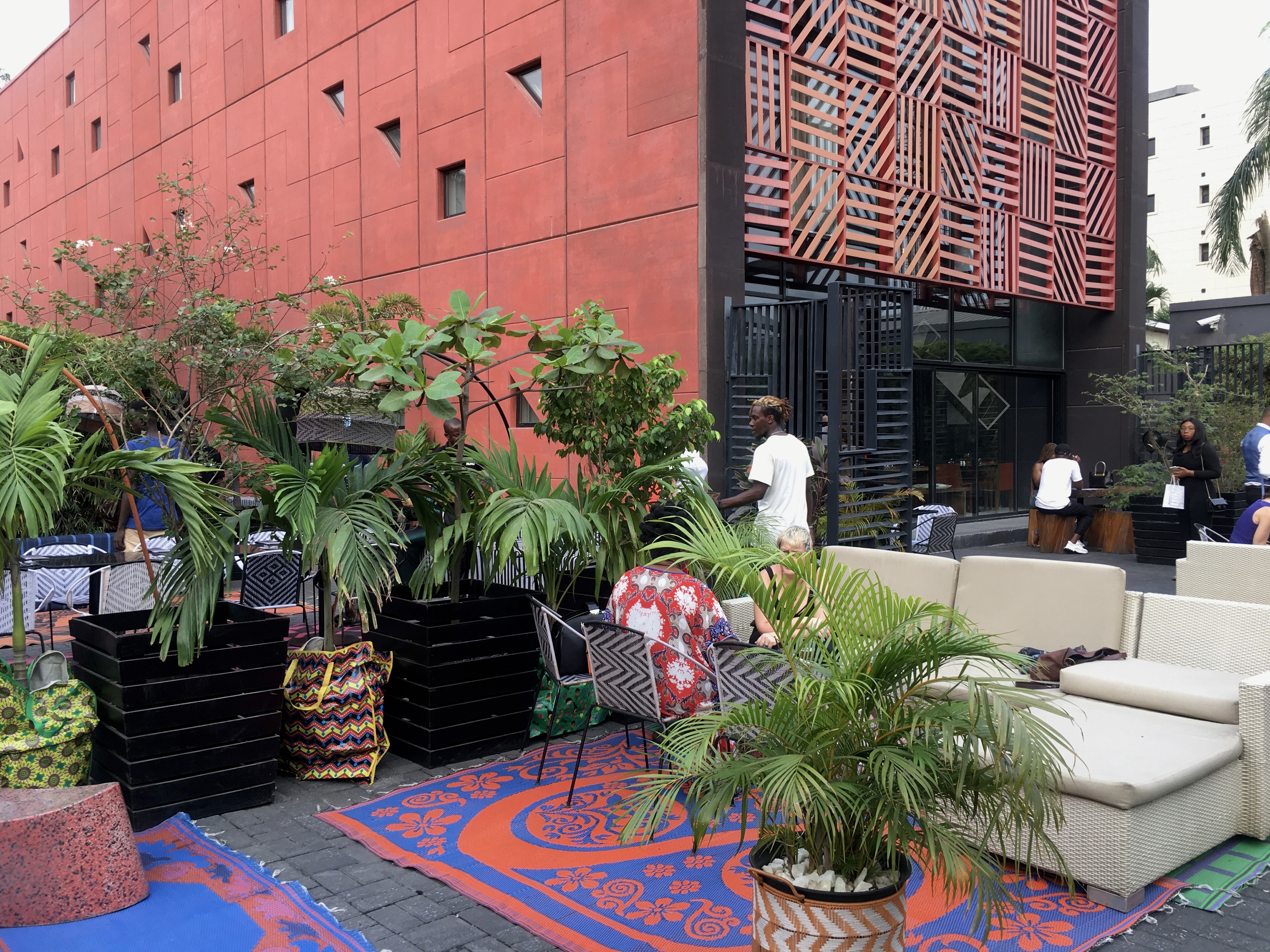
Ghana
Accra’s bustling markets, costal charm and coolness factor
Forests, lakes, Nzulezo stilts village, and clean contained urban centres
Historical Ashanti kingdom, poignant Cape Coast Castle, Independence history
Impressive canopy walkways and eco-tourism
Best time to film: Dry season, Nov - March
Film permits, media accreditation and national park permits required
Stable, film-friendly environment, English-speaking crews, some access to equipment
Best for: historical narratives, diaspora stories, accessible West Africa
Senegal
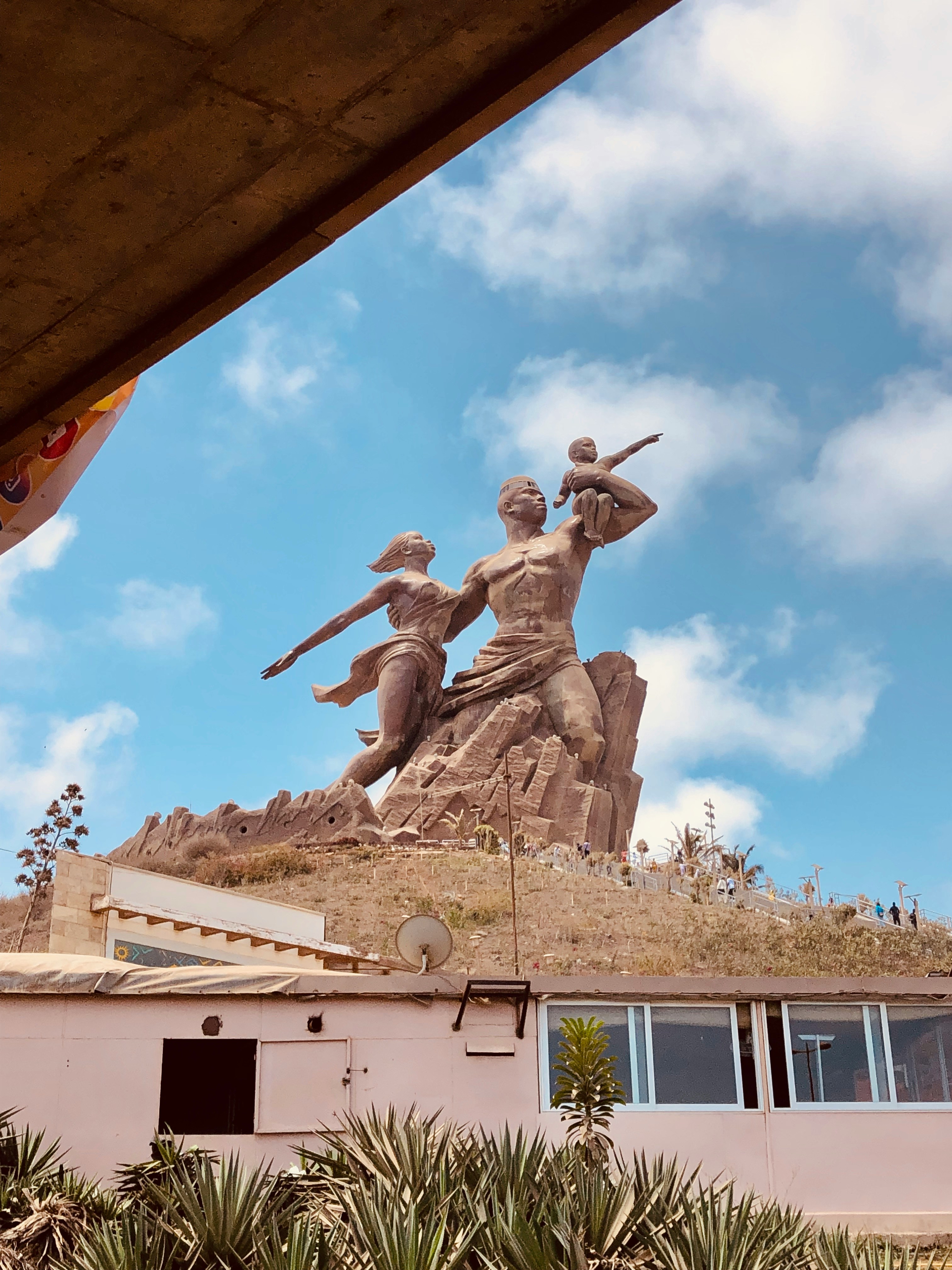
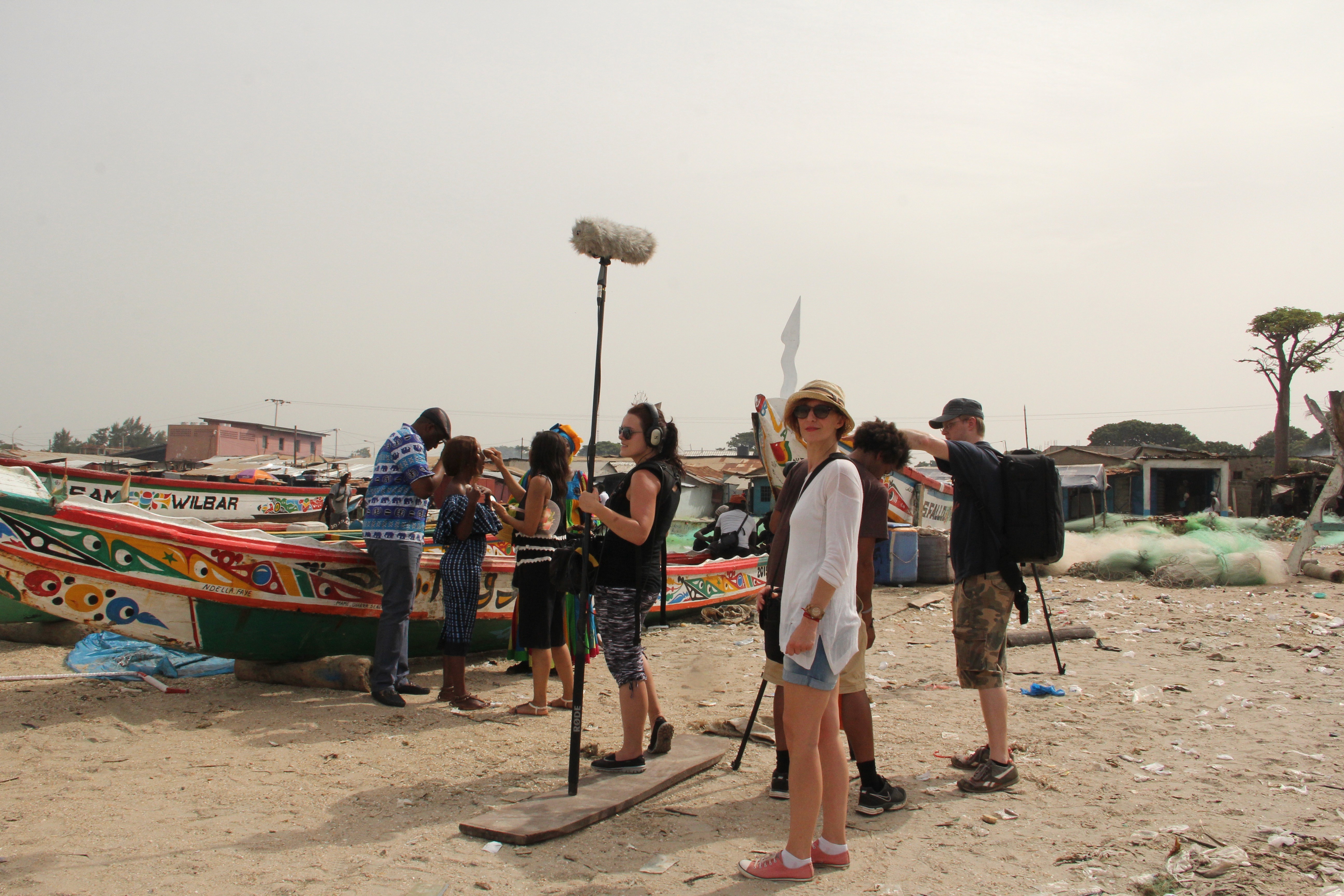
Atlantic coastline, colonial architecture, Gorée Island UNESCO, African Renaissance Monument
Dakar: vibrant, modern African city, street culture
Kayar or Mbour: colourful, busy fishing villages
Lompoul Desert, a ‘miniature Sahara’
Iconic baobab forests and mythic landscapes, wildlife reserves
Best time to film: The cool, dry season, Dec - April
Film permits acquired through Ministry of Culture. Drone filming possible
ATA Carnet
Local crew and equipment limited. Suggest bringing in key personnel
Best for: Francophone urban West Africa, fishing villages, pristine natural diversity
The Gambia
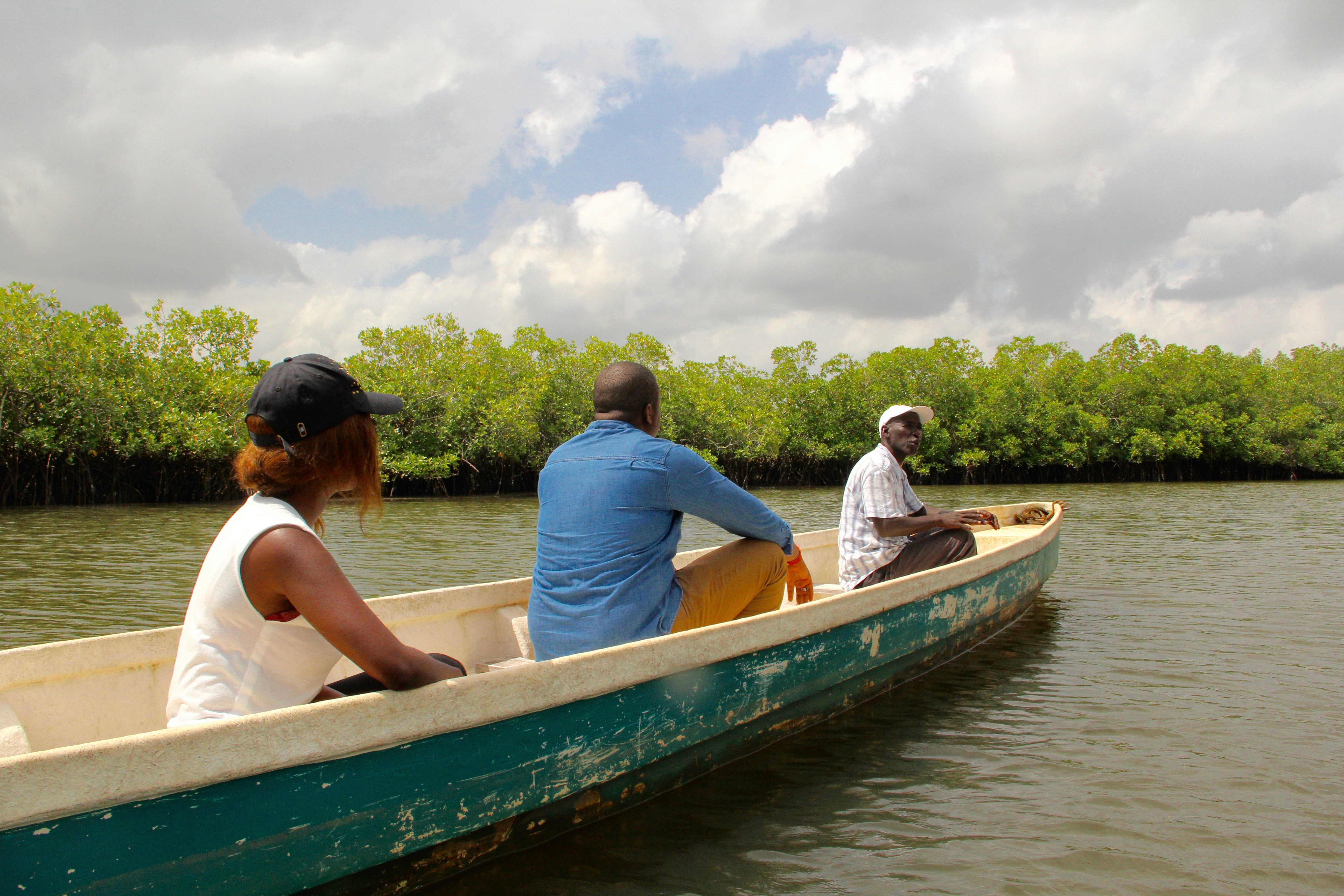
Life on the Gambia River with its mangroves
Described as a ‘garden of Eden’ for its ecotourism
Golden beaches, villages, wetlands, wildlife, birdlife
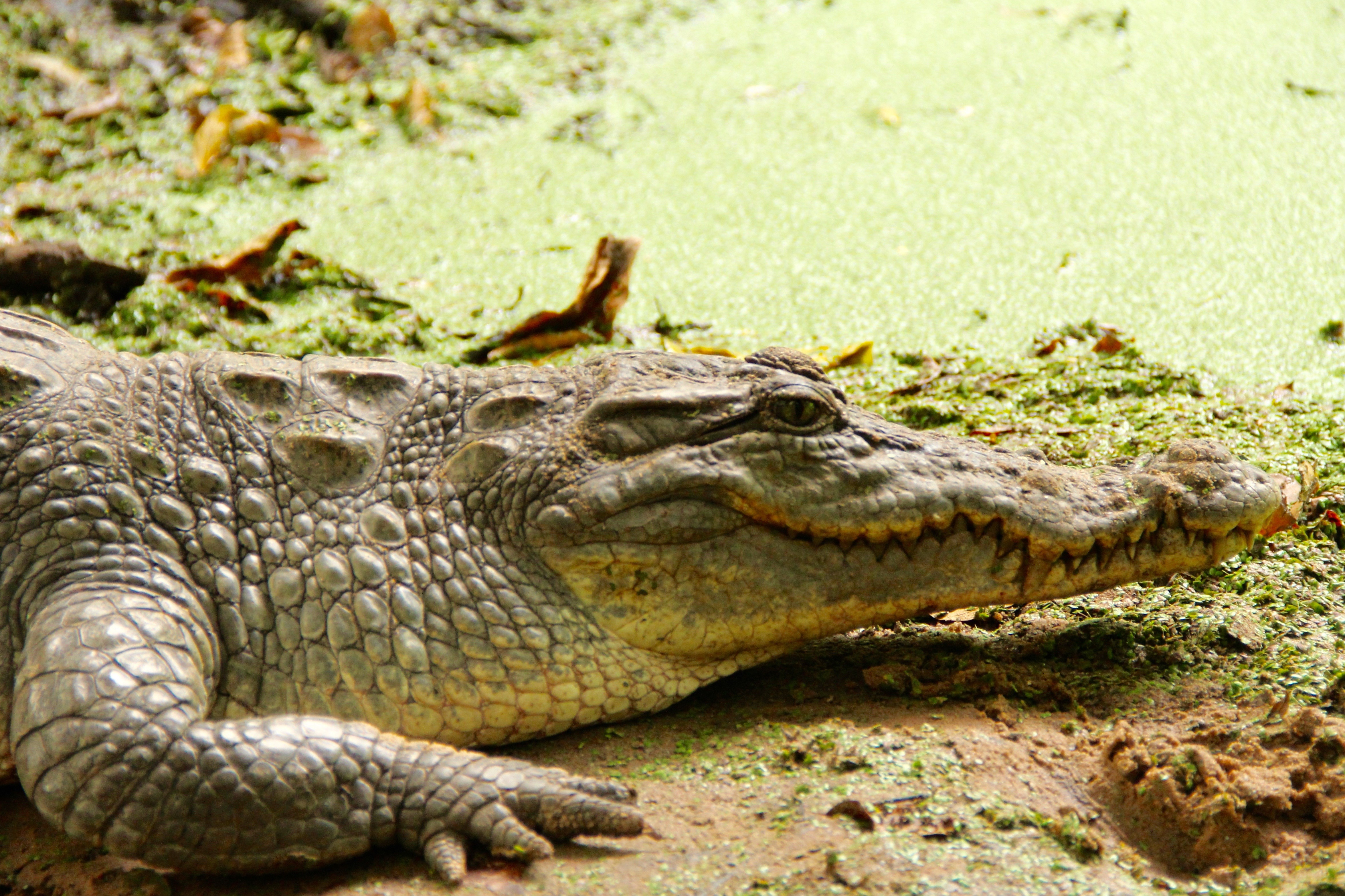
Kachikally docile crocodiles, a sacred site
Kunta Kinteh Island, UNESCO with poignant historical ruins
Compact, logistically simple
Best time to film: The cool, dry season, Nov - May
Film permits acquired through Ministry of Information
Drone filming possible, lengthy permit processes
ATA Carnet
Local crew and equipment limited. Suggest bringing in key personnel
Best for: ecotourism, river journeys, intimate rural stories, colourful fishing village of Tanji
Côte d’Ivoire
Modern Francophone Abidjan skyline contrasted with local street life
Beautiful beaches, primary rainforests, lush cocoa plantations
Surreal grand-scale Basilica of Yamoussoukro
Haunting colonial-era architecture of Grand-Bassam, a UNESCO
Over 60 cultural groups
Film permits acquired through Ministry of Communication. Fixer mandatory for navigating local bureaucracy
Best time to film: Dry season, Dec - Feb
Local crew and equipment limited. Suggest bringing in key personnel
Best for: contemporary African cities, Francophone settings, lush rainforests and cocoa plantations
View More.
Explore other areas of the african continent.